
As our loved ones age, their health and well-being become a top priority.
Many families face the important decision of how to best care for their senior family members. In recent years, in-home care for seniors has gained popularity as a viable and compassionate alternative to traditional care settings.
This comprehensive guide explores the numerous benefits of in-home care, ranging from preserving independence to experiencing the emotional advantages of staying in the comfort of one’s home.
Maintaining Independence
One of the most significant benefits of in-home care for seniors is the preservation of independence. Seniors often cherish their ability to make decisions about their daily routines and maintain a sense of control over their lives. In-home care enables them to continue living life on their terms while receiving the necessary support. This sense of autonomy can significantly boost their mental and emotional well-being. An example is Sarah, an 85-year-old who enjoys her daily walks in the neighborhood and tending to her garden. With the assistance of in-home caregivers, she has been able to continue to do so, preserving her cherished routines and independence.
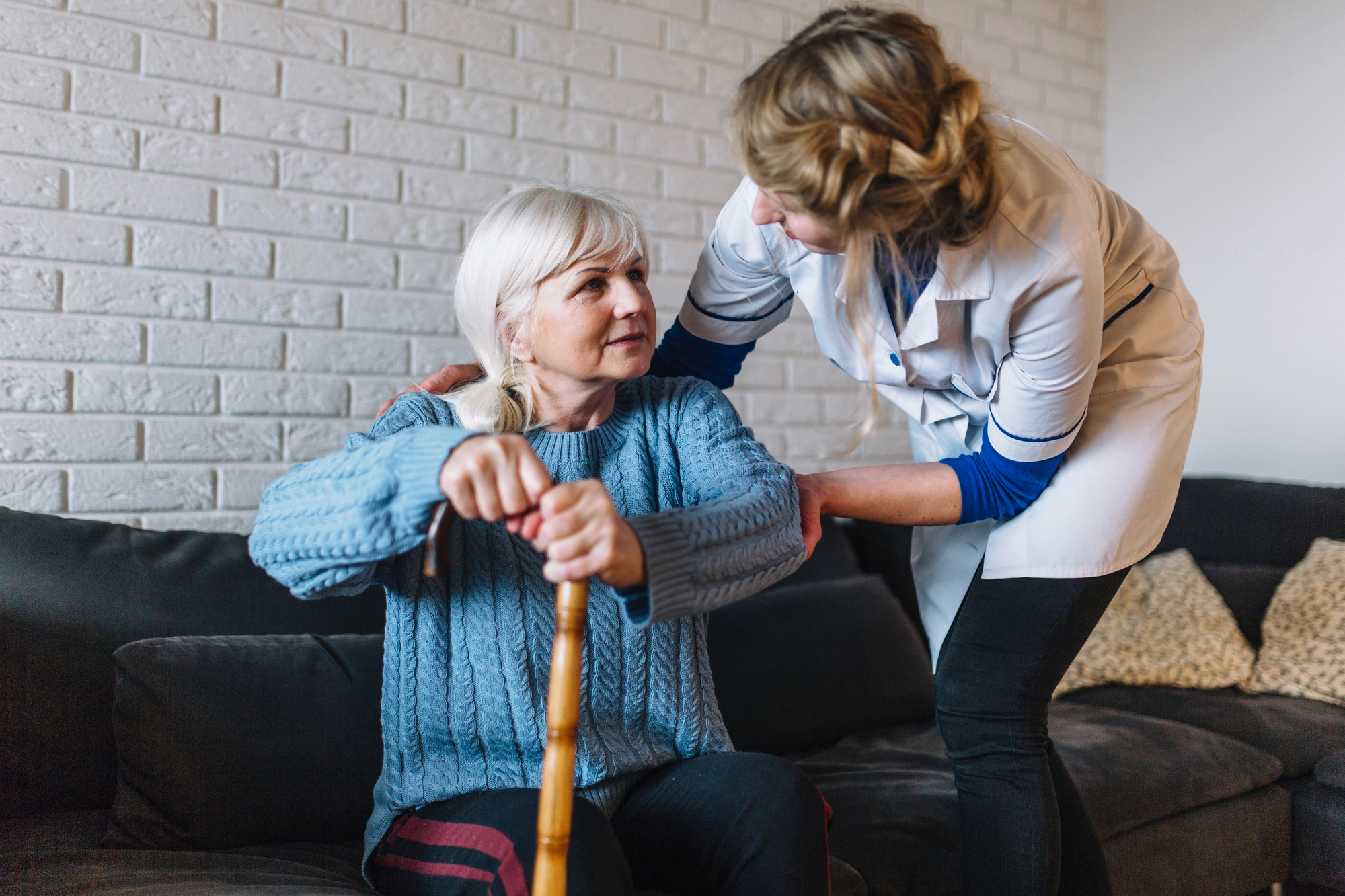
Personalized Care
In-home care provides a level of personalization that can be challenging to achieve in institutional settings. Caregivers can tailor their services to meet the unique needs of each senior. Whether it’s assistance with activities of daily living, medication management, or companionship, in-home care allows for a more individualized approach to caregiving.
Emotional Benefits
The emotional benefits of in-home care are profound. Seniors often find comfort in their familiar surroundings, which can reduce stress and anxiety. Being surrounded by personal mementos, family photos, and cherished possessions can foster a sense of security and contentment. This emotional connection to their home contributes to overall happiness.
Studies and Findings
Several studies have explored the advantages of in-home care for seniors. A study published in the “Journal of Aging and Health” found that seniors receiving in-home care reported higher levels of life satisfaction compared to those in institutional settings. Another study in “The Gerontologist” highlighted the positive impact of in-home care on reducing depression and loneliness among seniors.
Tips for Families Considering In-Home Care
- Assess Your Loved One’s Needs: Start by evaluating your senior family member’s specific care requirements. This assessment will help you determine the level of care needed.
- Research Caregiver Agencies: Take your time to research and choose a reputable in-home care agency. Read reviews, check references, and ask for recommendations from healthcare professionals.
- Meet the Caregivers: Get to know the caregivers who will be providing care. Building a rapport and feeling comfortable with them is essential for both the senior and the family.
- Create a Care Plan: Work with the caregivers to develop a personalized care plan that aligns with your loved one’s needs and preferences.
- Stay Involved: Continue to stay involved in your loved one’s care. Regular communication with the caregivers and the senior helps ensure the best possible experience.
In-home care for seniors is an option that prioritizes individuality, well-being, and emotional comfort. As the studies show and real-life examples attest, this form of care can enhance the quality of life for seniors while providing peace of mind for their families.
Choosing in-home care is not just about meeting physical needs; it’s about nurturing the spirit, preserving independence, and ensuring the golden years are filled with comfort and happiness. If you’re considering in-home care for your loved one, take the next step by requesting a consultation. Our team is ready to help you create a personalized care plan that aligns with your unique requirements.